Rethinking What Success Looks Like in Esthetics
For a long time, the esthetics industry has quietly pushed one version of success: open a spa, build a brand, become your own boss. And while that path can absolutely work, it’s not the only direction—and for many, it’s not the right one.
Today’s esthetician career path is far more flexible than it used to be. You can build a strong income, specialize in high-demand treatments, and grow professionally without ever taking on the weight of business ownership. In fact, many estheticians find that stepping away from the “own your own spa” narrative gives them more room to focus on what actually drives their career forward: skill, consistency, and client results.
If you’re just getting started—or starting to question your next move—it’s worth looking at the full landscape before deciding what success should look like for you.
Do You Have to Own a Spa to Be a Successful Esthetician?
No—and more importantly, you don’t need to treat ownership as the end goal.
Running a spa comes with real responsibilities: overhead, hiring, retention, marketing, and the day-to-day realities of keeping a business profitable. Some estheticians thrive in that environment. Others realize, quickly or gradually, that they’d rather invest their energy into mastering their craft than managing operations.
Choosing a non-ownership esthetician career path often brings a different kind of stability. Income can be more predictable. Financial risk is lower. And there’s more space to develop advanced skills or specialize in treatments that clients actively seek out.
The shift is subtle but important. Success in esthetics isn’t defined by whether you own something—it’s defined by whether your work aligns with your strengths, your goals, and the kind of life you want to build.
Esthetician Career Paths That Don’t Require Owning a Business
Spa or Salon Esthetician
For many, this is where the career begins—and it’s still one of the most valuable environments for growth. Working in a spa or salon gives you structure, a built-in client flow, and the chance to refine your technique in real time.
It’s also where confidence is built. You’re not just learning treatments—you’re learning pacing, client communication, and how to deliver consistent results under real-world conditions. That foundation matters more than most people realize.
Medical Esthetician
If you’re drawn to results-driven treatments, medical esthetics opens a different kind of door. Working in med spas or alongside licensed healthcare providers, you’ll typically focus on advanced services like chemical peels, laser treatments, and corrective skincare.
This path often requires additional training, but it tends to come with higher earning potential and a more clinical approach to skincare. For estheticians who want to go deeper into skin health—not just surface-level treatments—it’s a natural progression.
Freelance or Mobile Esthetician
Not everyone wants a fixed schedule or a single location. Freelancing or offering mobile services gives you flexibility without the full commitment of opening a physical space.
You’re still building something of your own—your client base, your reputation—but in a way that can evolve over time. It’s a good fit for estheticians who value autonomy and prefer a more personalized, one-on-one client experience.
Brand Representative or Skincare Specialist
Some estheticians step outside the treatment room entirely and move into brand education or product representation. In this role, you’re working with skincare companies—training professionals, supporting product launches, and helping bridge the gap between formulation and application.
It’s a different pace, but it keeps you connected to the industry in a meaningful way. If you enjoy teaching, communicating, and staying on top of trends, this path can be both dynamic and sustainable.
Esthetics Educator or Trainer
Education is often where experienced estheticians land after years of hands-on work. Teaching foundational programs or leading advanced certifications allows you to pass on what you’ve learned—while continuing to refine your own expertise.
It’s also one of the most impactful roles in the industry. You’re not just performing treatments; you’re shaping how the next generation approaches the work.
Spa Manager or Director
If you’re naturally drawn to leadership, spa management offers a different kind of challenge. Instead of focusing on services, you’re overseeing operations, team performance, and the overall client experience.
This role requires a strong understanding of both the technical and business sides of esthetics. When done well, it can be one of the more financially stable and growth-oriented paths available.
Advanced Treatment Specialist
There’s a growing shift in the industry toward specialization. Instead of offering everything, many estheticians are choosing to focus deeply on a few high-demand services—advanced facials, dermaplaning, brows, lashes (including Korean lash lifts), or lymphatic techniques.
This approach allows you to stand out in a crowded market. It also gives you the ability to charge premium pricing, build a loyal client base, and position yourself as a go-to expert rather than a generalist.
How to Choose the Right Esthetician Career Path
With so many esthetician career paths available, the decision becomes less about what’s possible and more about what fits.
Start with your day-to-day preferences. Do you want structure, or flexibility? Do you enjoy client interaction, or are you more interested in teaching or leading a team? The answers to those questions tend to point you in the right direction faster than any salary estimate.
Income matters too—but it’s not one-size-fits-all. Some roles offer steady, predictable pay. Others create opportunities to scale your earnings through specialization or advanced services. The key is understanding how each path aligns with your expectations.
It’s also worth remembering that this doesn’t have to be a permanent decision. One of the strengths of this industry is how fluid it is. Many estheticians move through multiple phases—starting in a spa, transitioning into medical esthetics, and eventually stepping into education or leadership.
The goal isn’t to choose perfectly. It’s to build skills that keep your options open.
The Fastest Way to Expand Your Esthetician Career Options
Your esthetician license gets you in the door. What you do after that determines how far you can go.
Continuing education is what separates entry-level estheticians from those who are consistently in demand. It’s how you move into higher-value services, raise your pricing with confidence, and stay relevant in an industry that evolves quickly.
But not all education is equal. The difference is in how practical it is—and how quickly you can apply it.
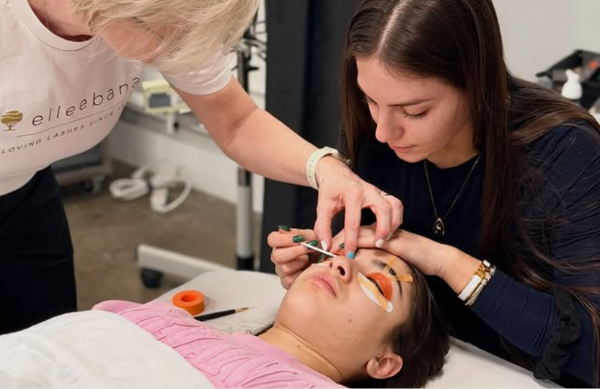
Hands-on training matters. Being able to perform a treatment in real time, troubleshoot, and refine your technique is what builds confidence. It’s also what allows you to translate new skills into income without hesitation.
The more intentional your training, the more flexible your career becomes. You’re not tied to one path—you’re equipped for several.
Build a Career You’re Excited About with Academy of Skin and Beauty
At Academy of Skin and Beauty, the focus is less on checking boxes and more on building careers that actually work in the real world.
For those starting from scratch, the licensing programs provide a clear, structured path into the industry—grounded in hands-on training, small class sizes, and instruction that prioritizes confidence as much as technique. You’re not rushed through the process. You’re prepared for it.
For licensed estheticians, advanced certification courses are designed with a different goal in mind: helping you stay competitive. The training is current, practical, and immediately applicable—so you’re not walking away with theory, you’re walking away with services you can offer right away.
Whether you’re exploring esthetician career paths for the first time or looking to expand what’s already working, the right education changes what’s possible.
Explore programs, schedule a tour, or view upcoming courses to take the next step—on your terms.
Esthetician Career Path FAQs
What are the most common esthetician career paths?
Most estheticians start in spas or salons, then branch into medical esthetics, freelancing, education, brand representation, or management roles as they gain experience.
Do you have to own a spa to be successful as an esthetician?
No. Many successful estheticians build strong careers by specializing in services, working in medical settings, or stepping into leadership roles—without owning a business.
What is the highest-paying esthetician career path?
Medical esthetics, advanced treatment specialization, and spa management often offer higher earning potential, especially when paired with additional certifications.
Can I switch esthetician career paths later on?
Yes. Esthetics is a flexible industry, and it’s common to shift directions as you gain experience or pursue advanced training.
What certifications help expand esthetician career options?
Certifications in chemical peels, laser treatments, lash and brow services, and advanced facials can significantly broaden your opportunities.
Is esthetics a good long-term career?
It can be. With continued education and specialization, estheticians can grow their income, evolve their services, and stay in demand over time.
How do I get started in an esthetician career?
You’ll need to complete a state-approved licensing program, pass your exams, and continue building your skills through hands-on experience and advanced training.